
Walking this morning in the bright spring sunlight, I happened on a pine cone, a weathered piece of wood, a twisted twig with peeling bark: the kind of objects I like to have before me when I want to draw, slowly–in a state of concentrated attention. While few of my finished pieces are representational–it’s in drawing that I learn to see. Drawing mediates between what my eyes encounter, and the corresponding inner vision that is the source of my art.
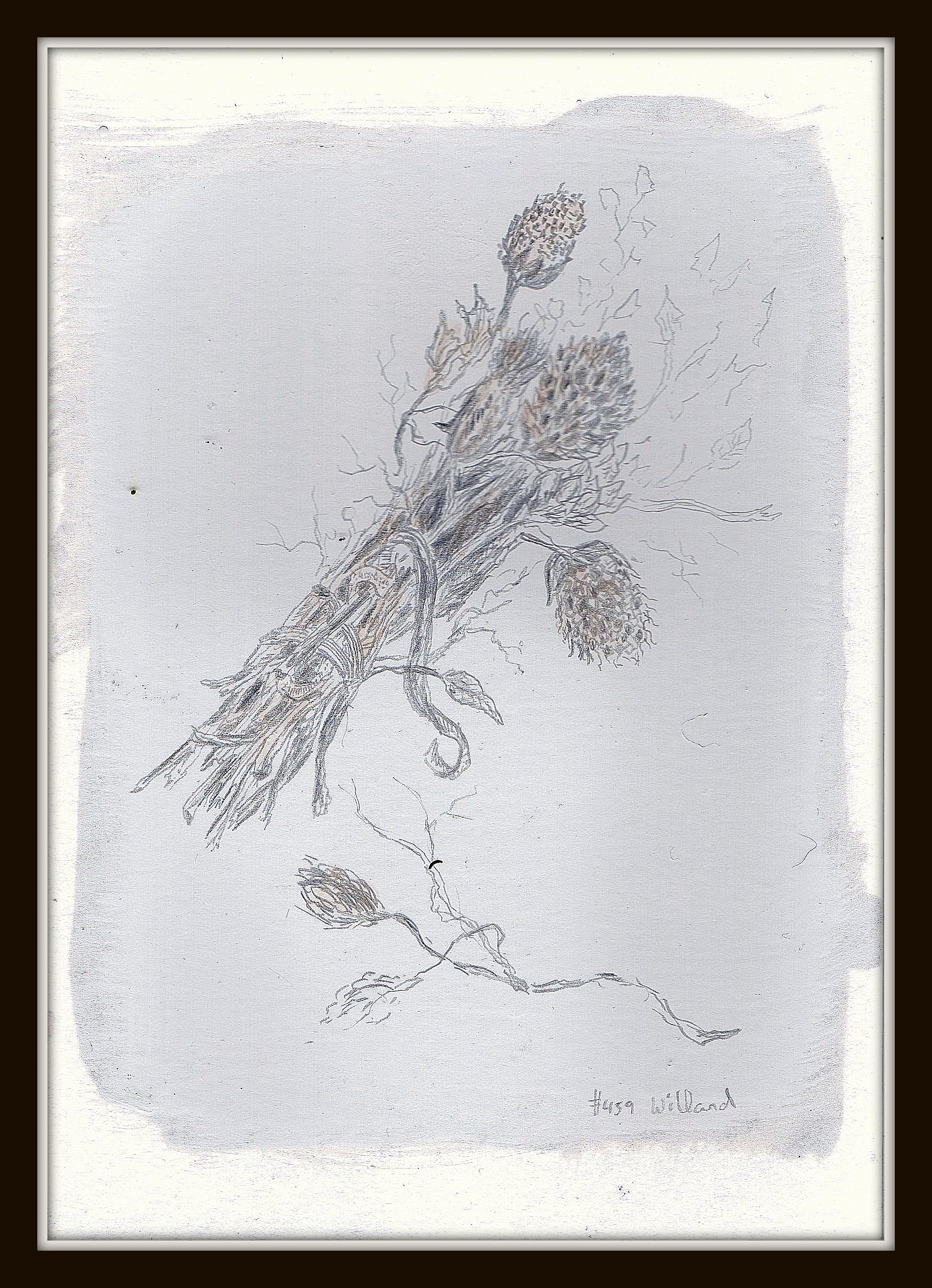
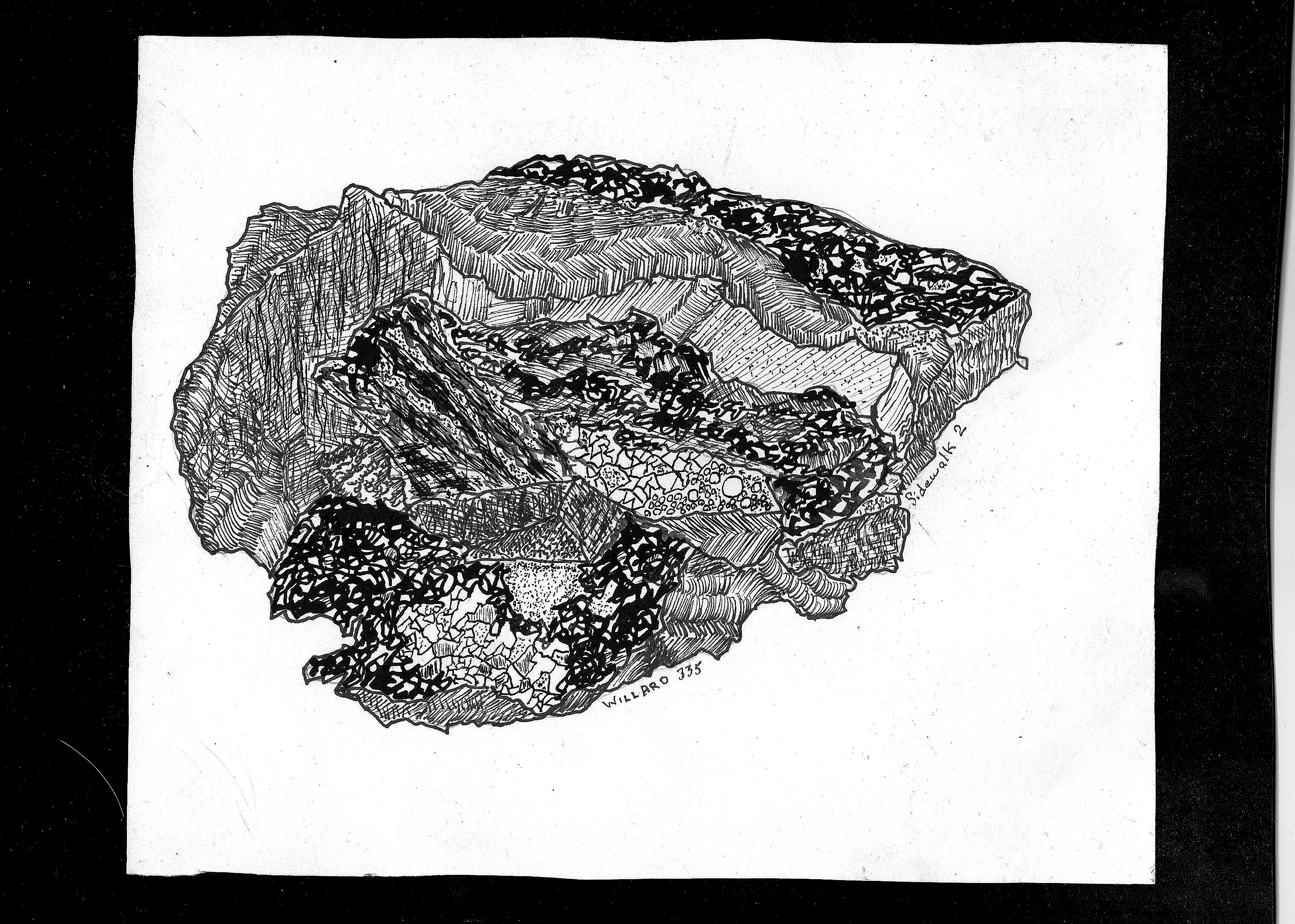
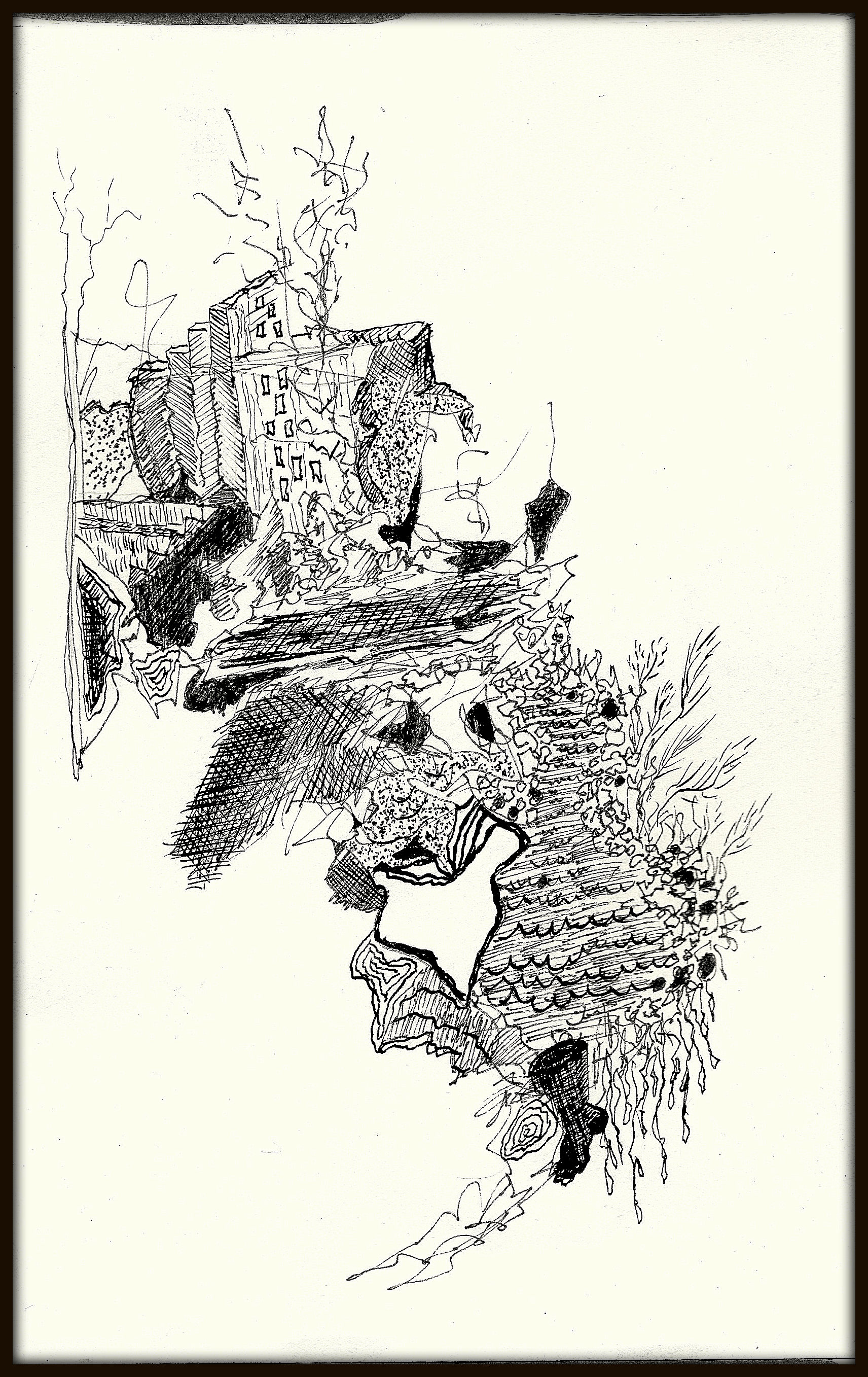
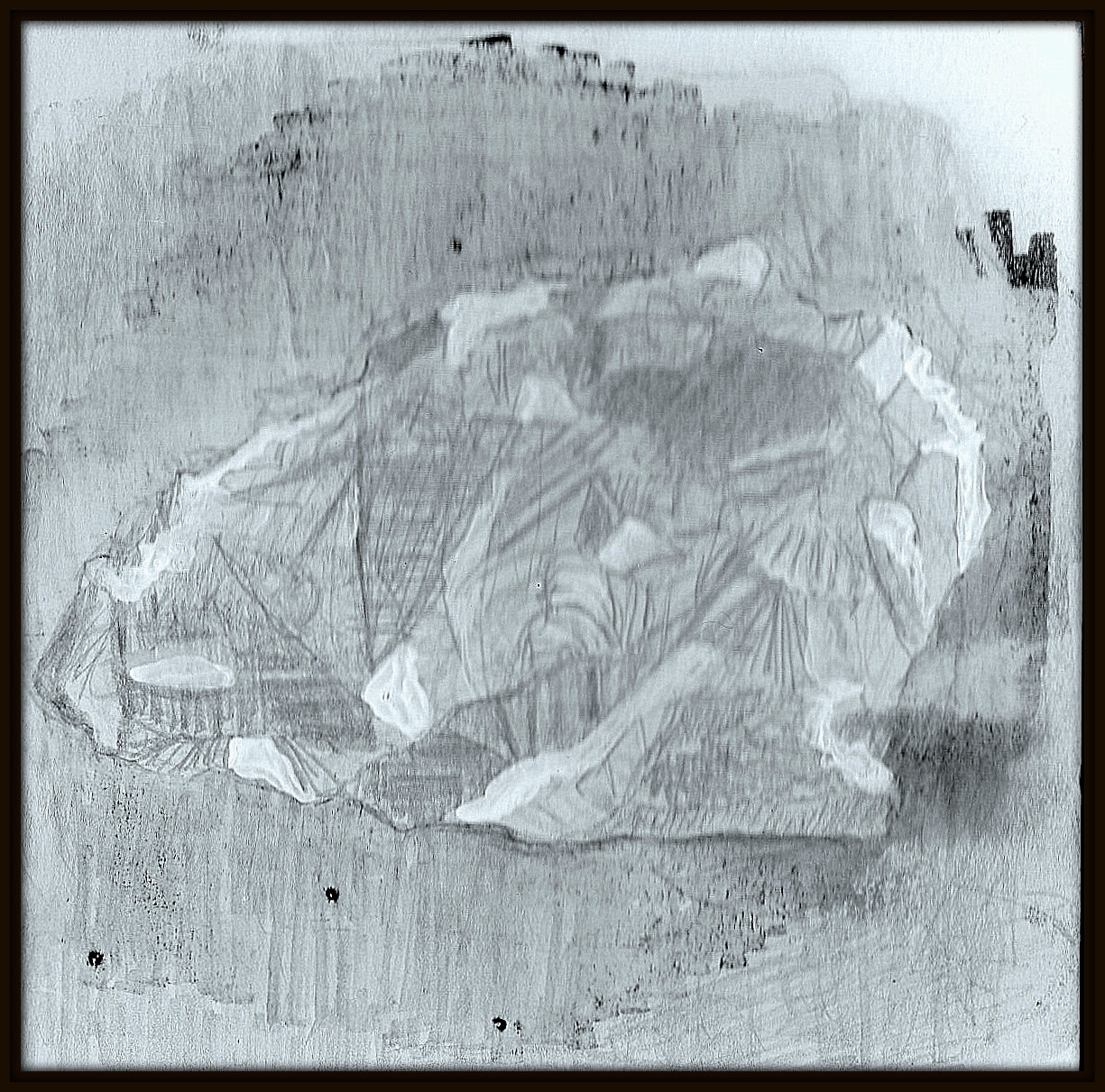
The photos below are examples of what I think of as drawing-meditation.
It occurred to me on my walk, that I would enjoy teaching this kind of drawing–for anyone, but primarily for people who don’t think of themselves as artists, who believe that art is for special people with ‘talent,’ who have convinced themselves that they “can’t draw a straight line with a ruler”
The goal would not be to learn to draw–in the usual sense of what that means: making drawings that “look like” what you see, but rather, to learn to see through the mediating act of making marks on paper. Drawing as meditation, as the key to opening the third eye–to seeing what is there, and what is not.
There can be no right or wrong, no good or bad to the drawings we would make–because the marks and patterns we would be creating/dis-covering, wouldn’t be on the paper, but in the mind, where no one else can see to judge them.
We could begin, for those with no background, with some ideas about how to make different kinds of marks with a pencil, how to use a fine pen nip with ink. This too, is about learning to see: acquiring a simple vocabulary to use when we begin to translate the vision of the eye to the vision of … but why give that a name? …as there is no label that would be common to all.
We would need three pencils: a 2H, an HB, and a 3B. (later, you might want to add an even softer/darker pencil: a 4 or 6B.
A pencil sharpener (or single edge razor and piece of fine sandpaper)
A #102 crow quill pen nib and holder.
A bottle of India ink.
And paper.
If I had space to do this (I was thinking that a picnic table in a park would be perfect–where we could always find objects nearby to draw), and people who would like to do this with me, I might ask for $15 a session… but no one turned down for lack of funds.
Would you like to try something like this?






 Jacob Russell's Magic Names