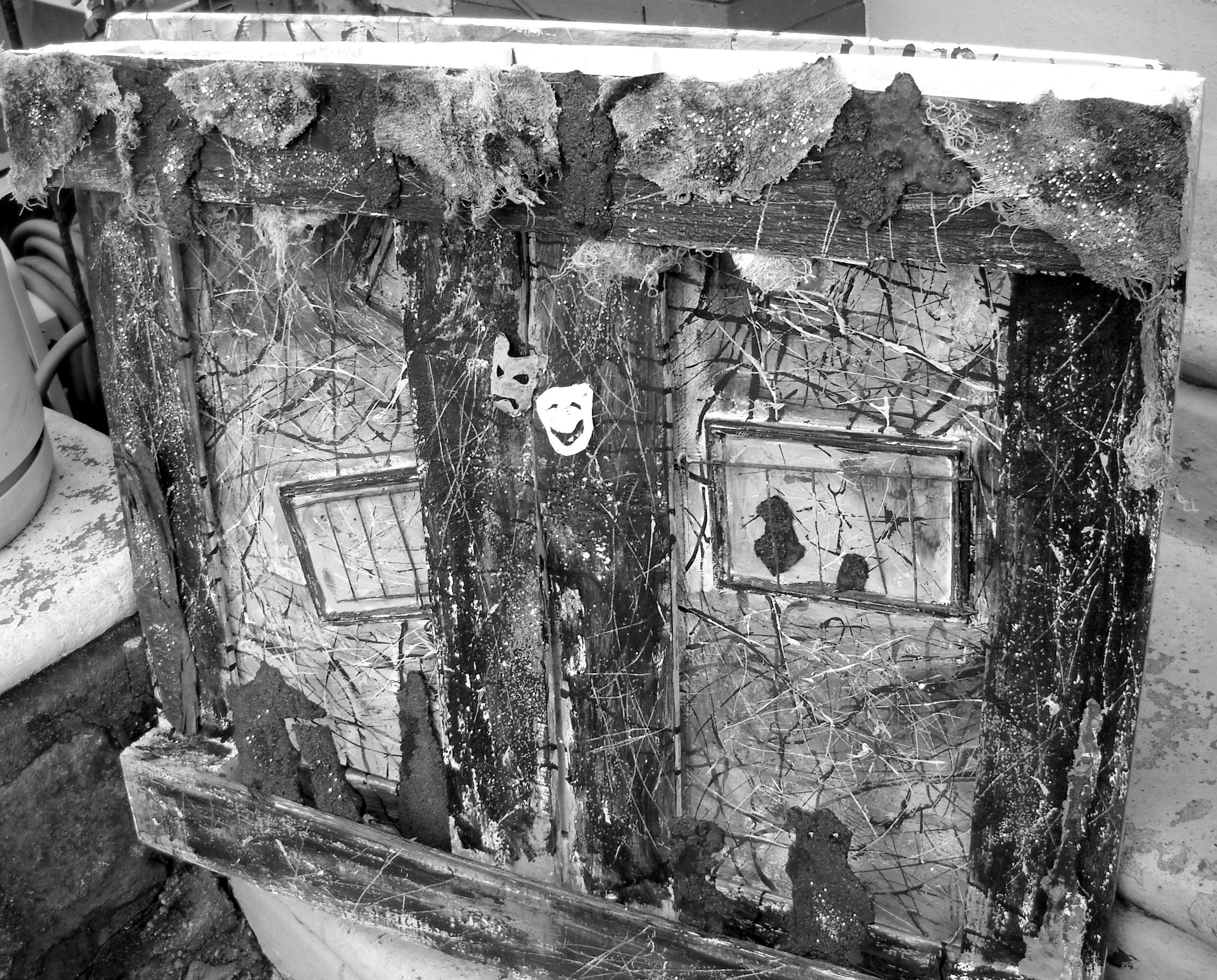
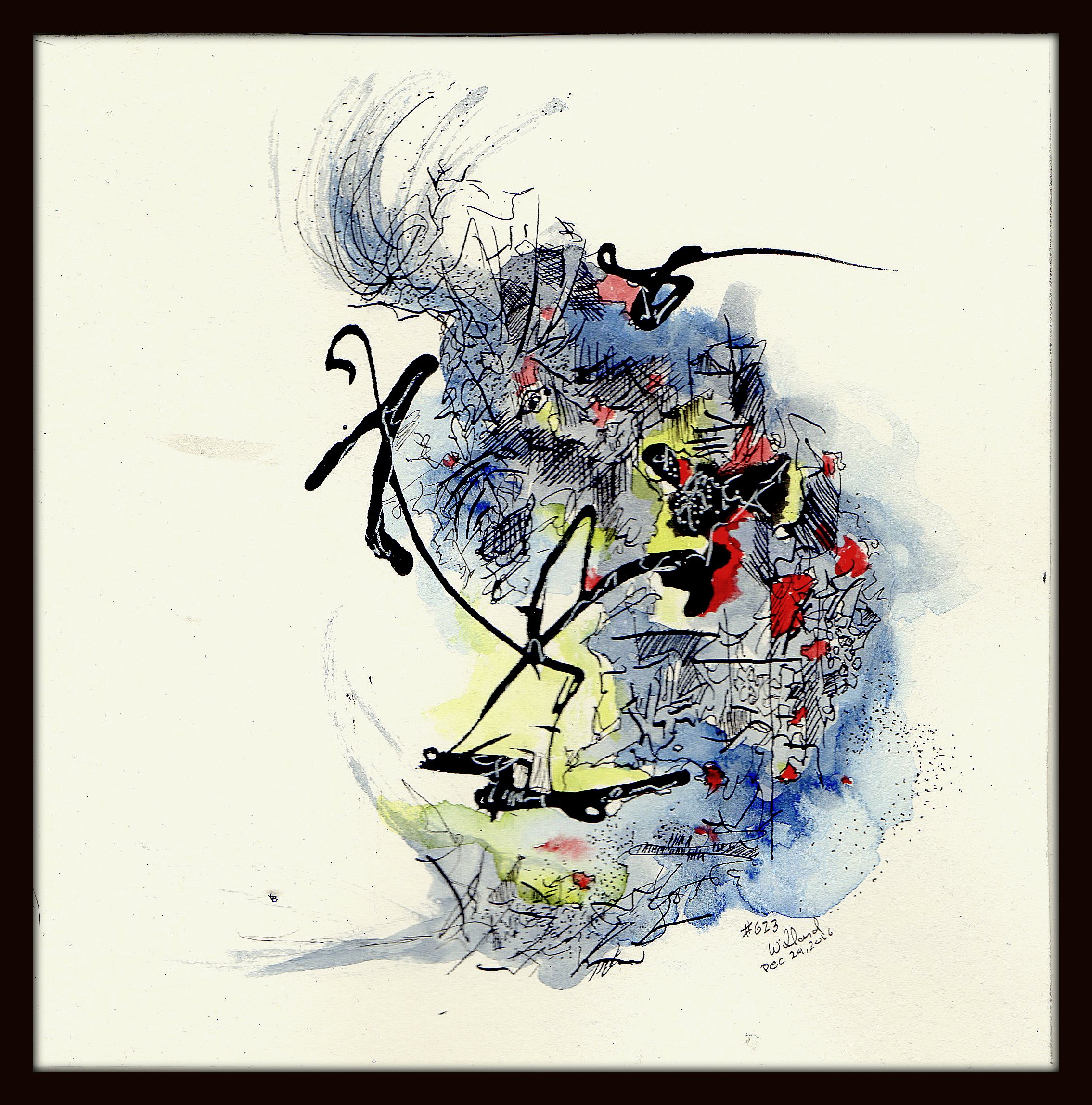
Not to This We Turn But When #630

I understand better what I feel when I think about the Consolation of Philosophy. Are we not as Boethius was, at the end of a world he could nor surrender, yet unable to imagine what might come after? I understand better, why I turn away from either, ‘realist’ fiction, or representational figuration in art; that world is no longer real—and no attempt to represent it now can hope to succeed.

We can look back at the works of the Renaissance, of the Enlightenment, like Boethius at the gateway of the Middle Ages looking back at the Classical world he knew was gone, hoping, through his translations, that he might preserve some memory of what it had been.630.
This is our Dark Age. But the old world is too much with us, museums and libraries filled with its ghosts. We need to find the way to what is to come… but there is no way. No path. No prophetic guiding word or vision. And yet—if we wish to break free from the death grip of the old world, the death grip of endless repetition of the same, with word, or gesture or image, we have no choice but attempt to render—to image forth—that world we cannot yet imagine. We have no choice but to try, and fail. I see myself coming to this realization in my work—that what I’m doing, is bringing out an image of the new through the ruins of old—though only the ruins will be visible. Like Beckett, that’s the failure that draws me closer to the goal–failing better.

View GALLERY HERE

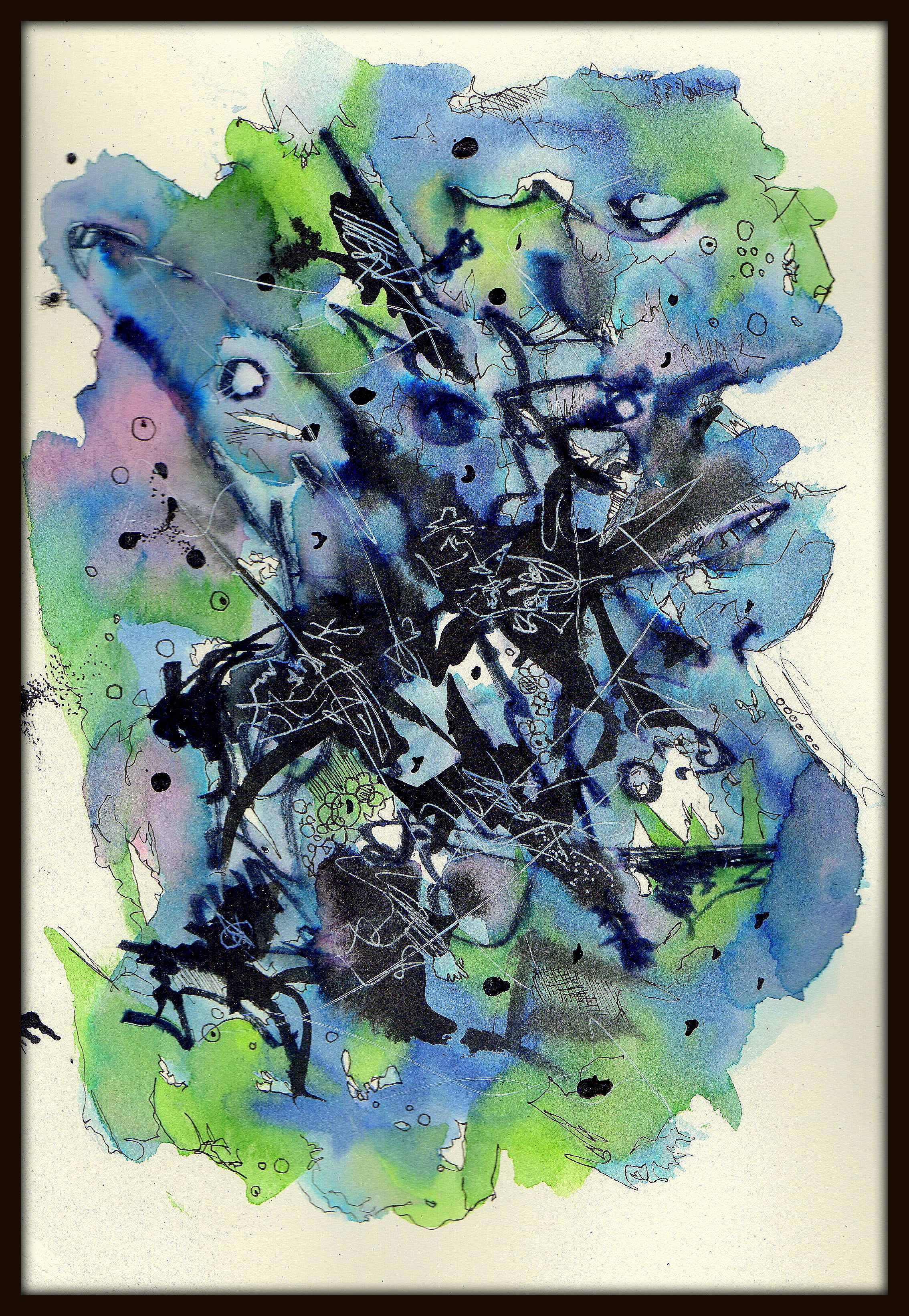
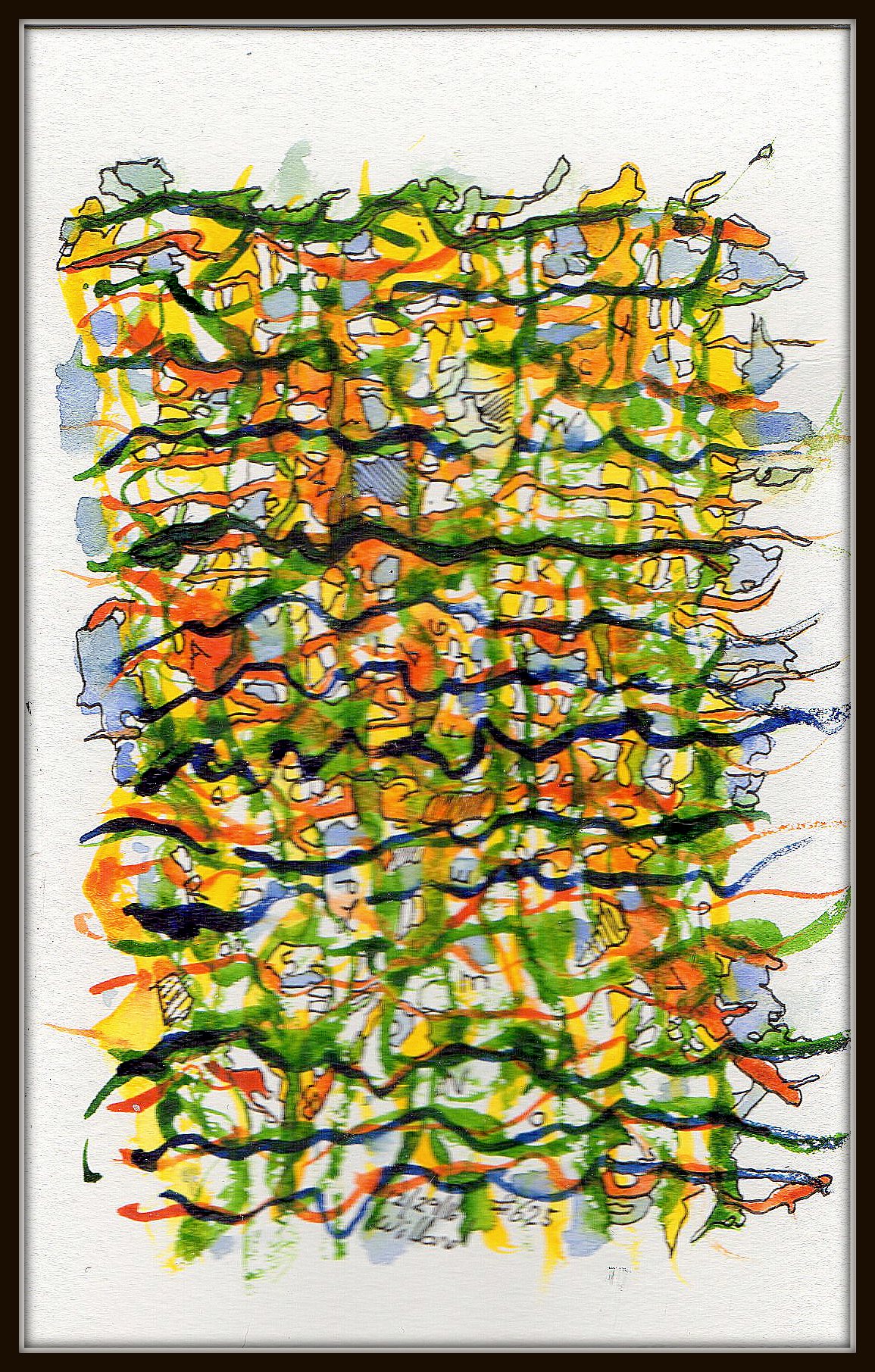
I am I was I will be

i-am-i-will-be

I find that can only read John Berger’s essay in Landscapes, Revolutionary Undoing: on Max Raphael’s The Demands of Art, a page, or paragraph at a time, without being brought to full stop. Here is one of those passages, where I have to close the book to take it in.

“There is not a significant artist in the world who is not asking himself whether his art is justified — not on account of the quality of his talent, but on account of the relevance of art to the demands of the time in which he is living.”

I have to stop because these thoughts have been troubling me, and the more assured I am–the more confident I become in my creative powers, the more troubling they become, trouble me to the point, that I’ve come to believe that that to make art for our times is impossible, or rather–that there can be no validation here in the making of art–not in this world, for us as artists. Justification, if it’s to come, will have to wait for the new age.

To go on making art, then, is–must be–an act of faith–that against all evidence–or in its absence, which comes to the same thing, what we do will have to find it’s meaning elsewhere, in the world we must create if we are to survive for long on this planet. A world that does not now exist, except as a dream and a necessity.

It isn’t enough to be ‘topical,’ to be what others would call, relevant–that is, to make art that serves the revolution–an impossibility, because the revolution, whatever form it will take, is still invisible, and the best we can do to directly serve the cause–is make propaganda–pieces to encourage and embolden our would-be revolutionaries. There is nothing wrong with that. Such efforts are needed. But whatever is of use now, will not have the power to resist being usurped, and put to uses antithetical to the revolution, and to the world we are called upon to build.

This is different than the old hope in posterity, a posterity that would be like us, but with greater understanding. This is a faith in a new reality. What we make now, we see only with the eyes and mind of this reality. That which will exist in the new reality, is present now, present in the art we are making–and yet, but beyond our ability to in the eye of our imagining. That’s the nature of our faith, the faith we must have. That if we are true to the promptings of our own vision, we will bring forth work that exists now, both in and beyond our time, visible in the present only as a work of the the present–but pregnant with a future no eye as yet can see.

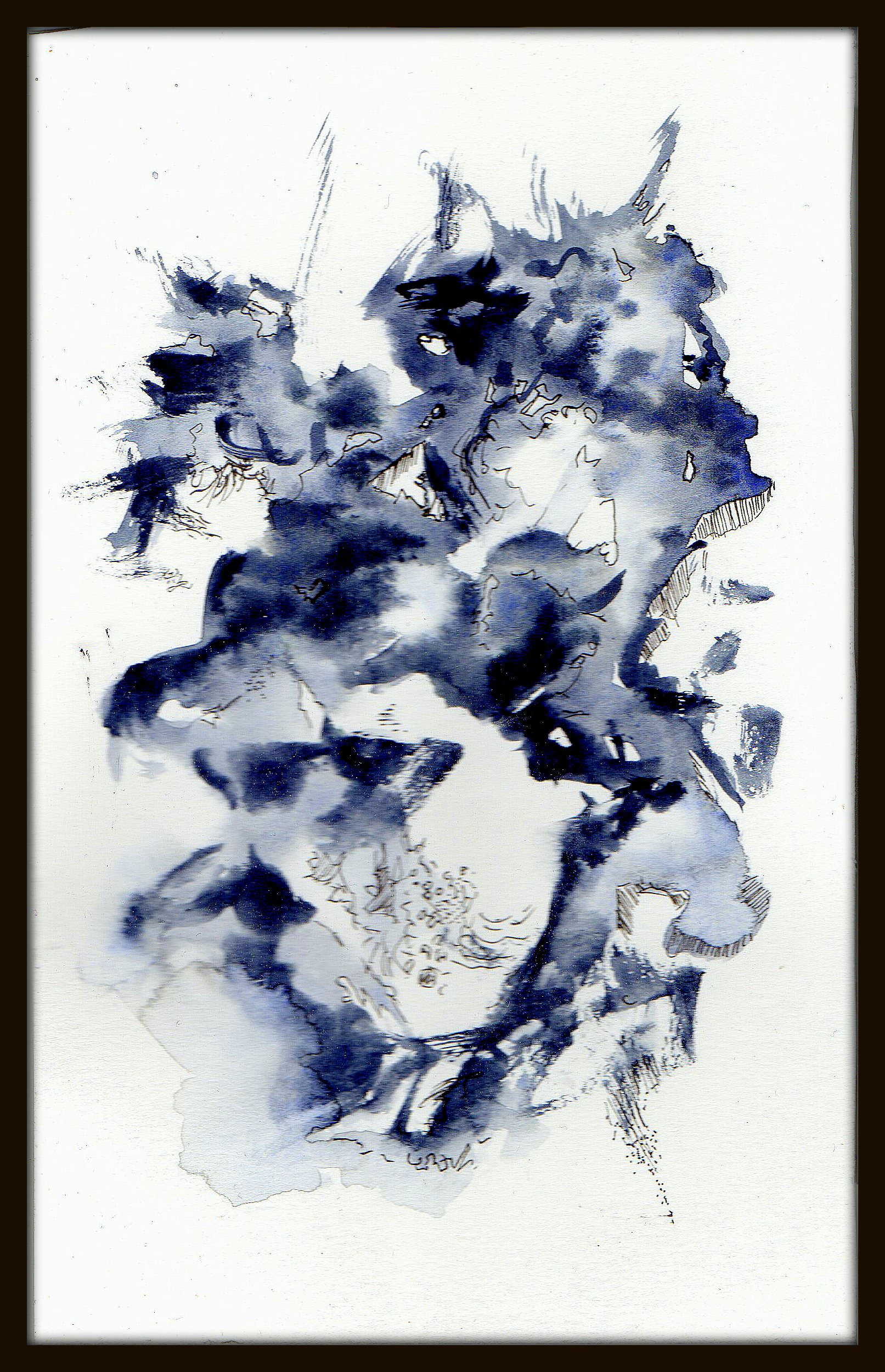
#629 Black & Blue

The Green Spring of Human Freedom encroaching on the Foul Oil of Capitalism!
11″ x 7.5″ Watercolor, ink, white gel pen

629-blackblue
View GALLERY HERE.

How is it, I wonder, that when I enter into a novel, or in reading poetry, listening to music–into any work of art or making art–with such intensity that it seems that I have left my own life–almost my own body and entered that of another–that those are the times that I should feel must fully and completely myself?

John Berger: Who is left to speak for us?

images

So sad at the loss of John Berger. I would so love to have been able to meet, and talk and… just spend time, mull shit over with him. So few… like, almost none… of those who write about art, or even those who DO it… when it comes to thinking, and talking about it… who I feel like… get it.

Capitalism–and who got this better? –fucks up our minds–as artists. There is no model for what constitutes ‘success’ for an artist in this capitalist world, no collective model, but … like our art, that which we make for ourselves.

One less now… who did get it.

More alone than ever.
—–
Yesterday I went to Penn Book Center and bought a copy of Landscapes… opened it on the El on the way home… pages flipped to chapter 3. The Basis of All Painting and Sculpture is Drawing.

In March of 2015 I wrote THIS POST

I sat there the rest of the way home… and felt like John Berger was there beside me… holding my hand.

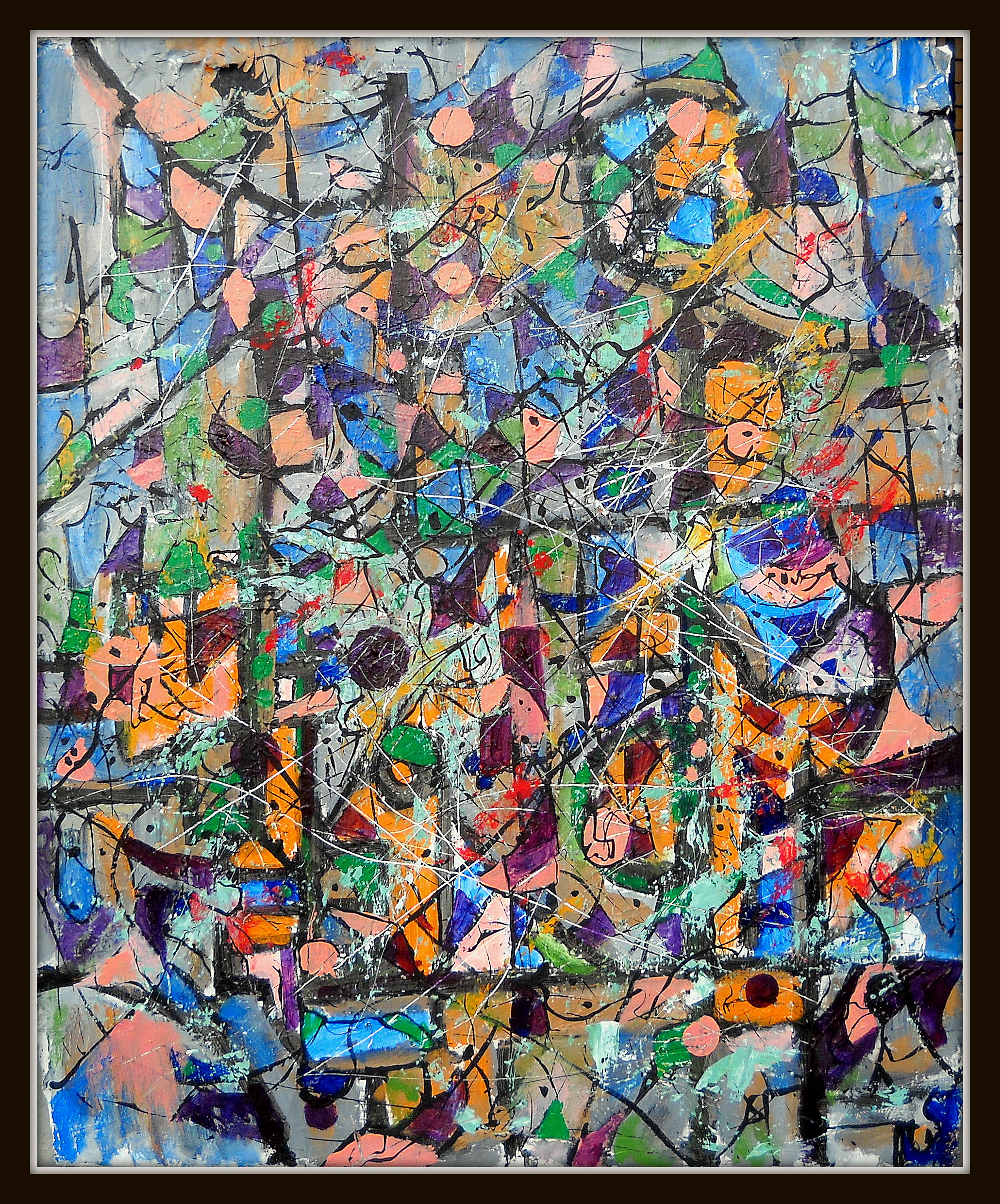
#624

31″ x 24″ Acrylic on Masonite. Not sure I’ve reached the end of this ‘kaleidoscope’ series, or pushing on to a new phase. I started out with some heavy, black bars, horizontals and verticals and connecting beams; the idea was to devise a scaffold, like beams of a building with the walls torn down–but again, like related paintings, giving the illusion of depth through layering, not geometric perspective.
It didn’t work, or didn’t work the way I’d anticipated. Those bars were too heavy and defied being pushed into the background until they were almost completely covered over. They did work to divide the rectangle and give it some structure, but without nearly as much depth as I would have liked. Some of that was a problem with value; was this light coming through dark, or light over dark? –a struggle that isn’t resolved here. Got more what I wanted in the other pieces (#604, 612, 615).
That I’m not satisfied suggests that there’s more to explore in this mode.
624

View portfolio here ART BY WILLARD
For photos on this blog:CLICK HERE, and scroll down.